

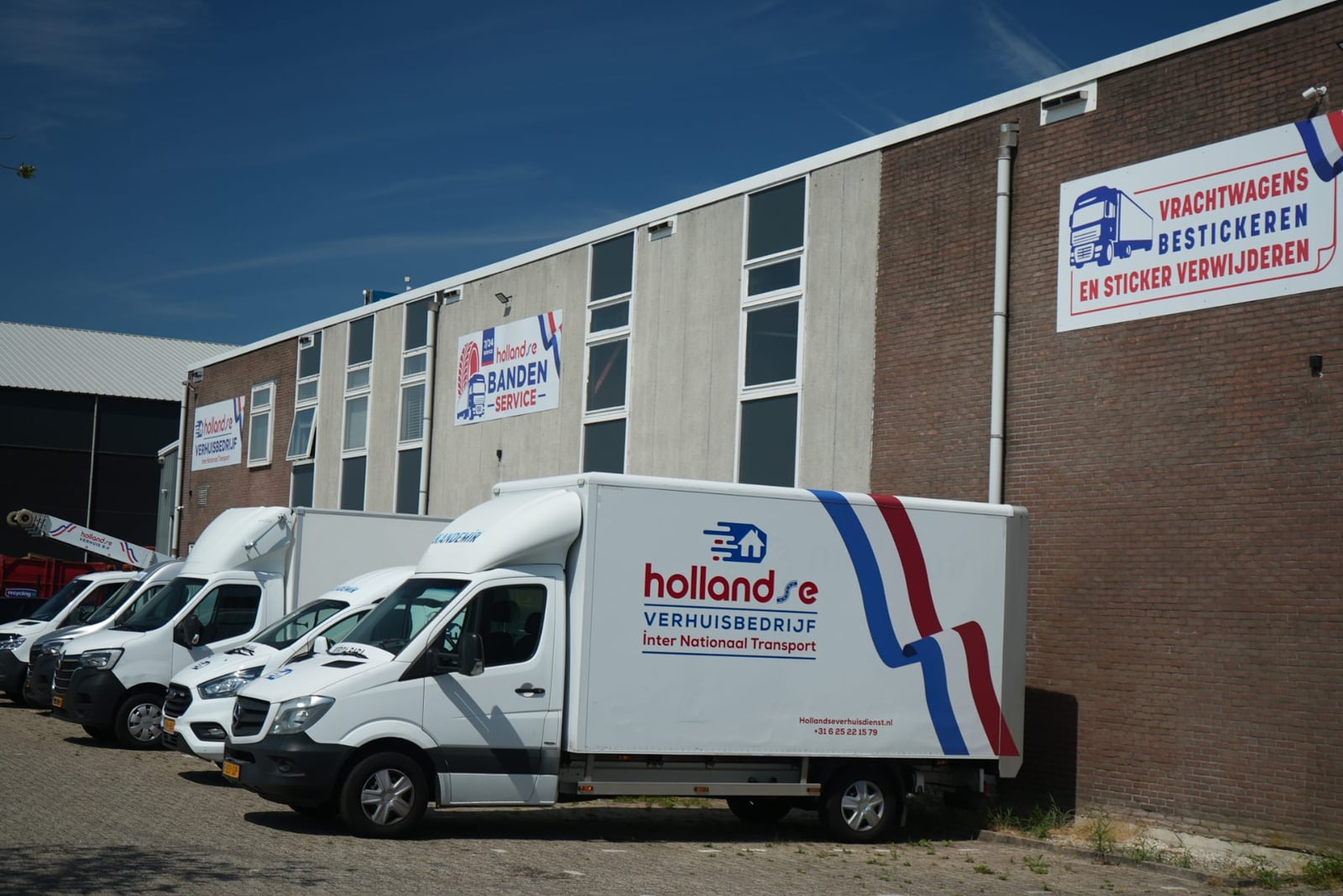
Your business is moving. Let’s plan it together.
Moving workstations, meeting rooms and records involves several teams. Bring the inventory, schedule and responsibilities together before confirming the move.
- Inventory by room
- Timing and responsibilities
- Discuss a phased move if needed
- Contacts at both locations
A moving plan for every part of your business
Set out what each room contains and what needs to be ready first. That gives the moving sequence a clear starting point.
Workstations
Desks, chairs and cabinets, labelled for their new room.
Meeting rooms
Tables, shared furniture and equipment, with clear placement instructions.
Archives and supplies
Agree on boxes, labelling and who may handle which materials.
Different departments
Coordinate timing with the people responsible for access, IT and internal communication.
From the inventory to handover
- 01
Inventory and locations
Share a room-by-room inventory, with photos of large or delicate items. Identify anything that will remain behind.
- 02
Schedule and responsibilities
Discuss preferred time windows and any phases. Define who packs, dismantles furniture, arranges access and prepares equipment.
- 03
Check the handover
Check that items are in their agreed locations. Record outstanding points for the relevant contacts to follow up.

Include the help you need

Business relocation questions
Can the move take place outside our working hours?
Tell us your preferred time window. Feasibility depends on availability, the scope of work and access to both buildings. A time window is agreed only once confirmed.
Can furniture disassembly and assembly be included?
You can include these tasks in your request. Share furniture types and quantities so the work can be assessed.
How can we limit disruption?
Identify dependencies and decide what must be available first. Coordinate the moving sequence with your IT provider and building manager. Workspace availability also depends on their work.
Outline your business move
Share the locations, preferred period and scale of your inventory. Include a schedule or floor plan if you already have one.